
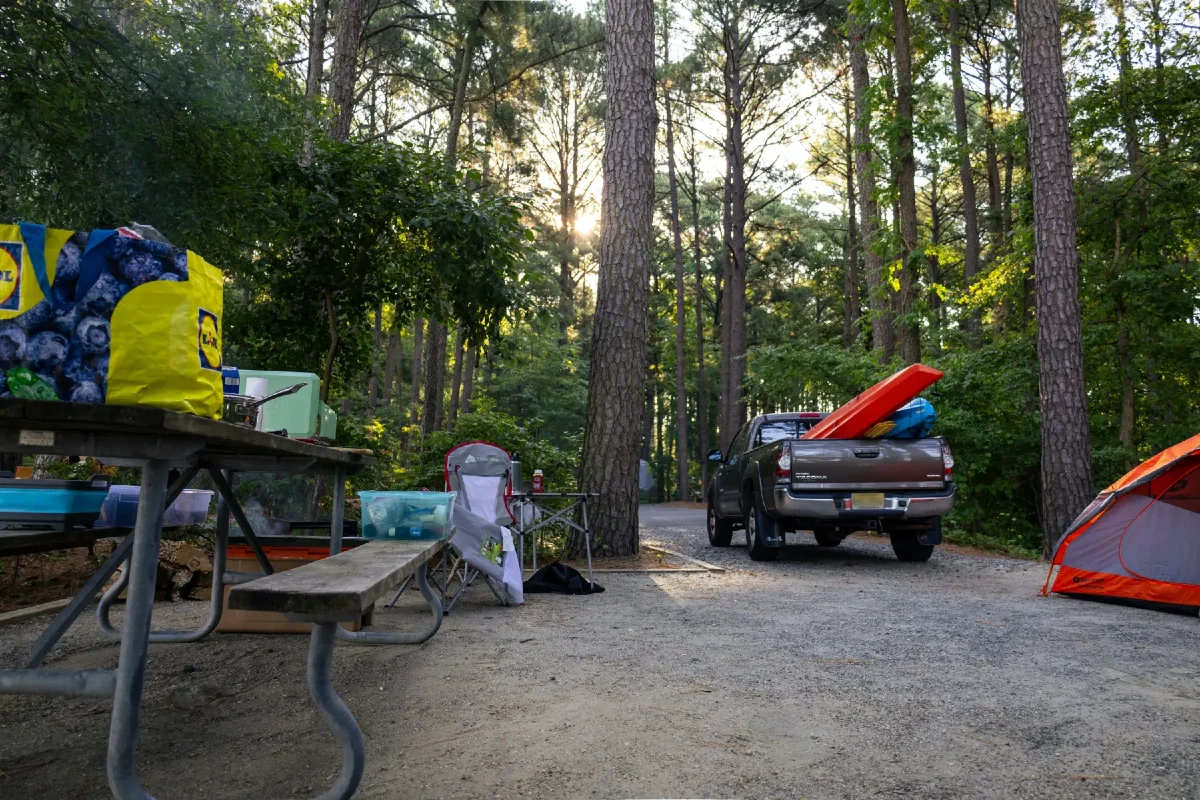

If you are new to camping, or you camped as a kid but it has been many years, and now you want to take your own kids camping, this guide is for you.
Camping is a great way to create lasting family memories, but for beginner campers, especially families with children, being unprepared can quickly turn an exciting trip into a stressful one. Cold nights, hungry kids, or missing basic camping gear can make the experience far less enjoyable than it should be.
Most beginner families start camping at car-accessible (frontcountry) campgrounds, where you drive directly to your site and are usually close to washrooms, potable water, and nearby stores. Because of this, you do not need specialized backcountry or survival-style equipment.
This guide covers a basic family camping gear list for car-accessible campgrounds, helping you understand what you truly need and what you can safely skip.
What this camping gear list is for
This beginner camping gear list is designed for:
- Families camping at drive-in or frontcountry campgrounds
- Short camping trips, typically one to three nights
- Campgrounds with vehicle access and nearby amenities
This is not a backcountry camping list. You do not need every item on this page. Use it as a reference and choose what fits your campground, weather, and family comfort level.
Core camping essentials (must-have gear)
These are the basic camping items every family should bring.
Shelter and sleeping gear
- Tent sized for your family
- Tent footprint or groundsheet
- Sleeping bags rated for expected nighttime temperatures
- Sleeping pads or air mattresses
- Pillows (real pillows greatly improve sleep quality)
Lighting and power
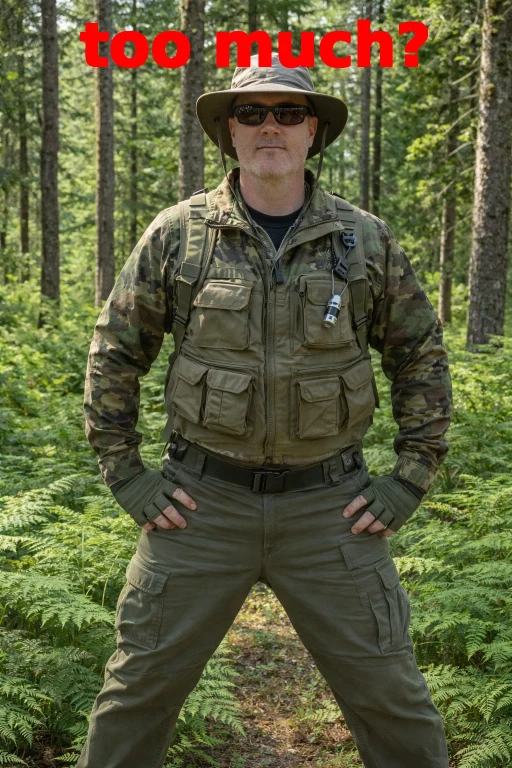
- Flashlights or headlamps (one per adult and ideally one per child)
- Lantern for the picnic table or tent area
- Extra batteries or a power bank
Clothing basics
- Weather-appropriate clothing
- Warm layers, even in summer
- Rain jackets or ponchos
- Comfortable walking shoes
- Sandals or slip-on shoes
- Pajamas suitable for cool nights
Camp kitchen essentials
A simple camp kitchen setup makes meals easier and keeps kids happier.
Cooking equipment
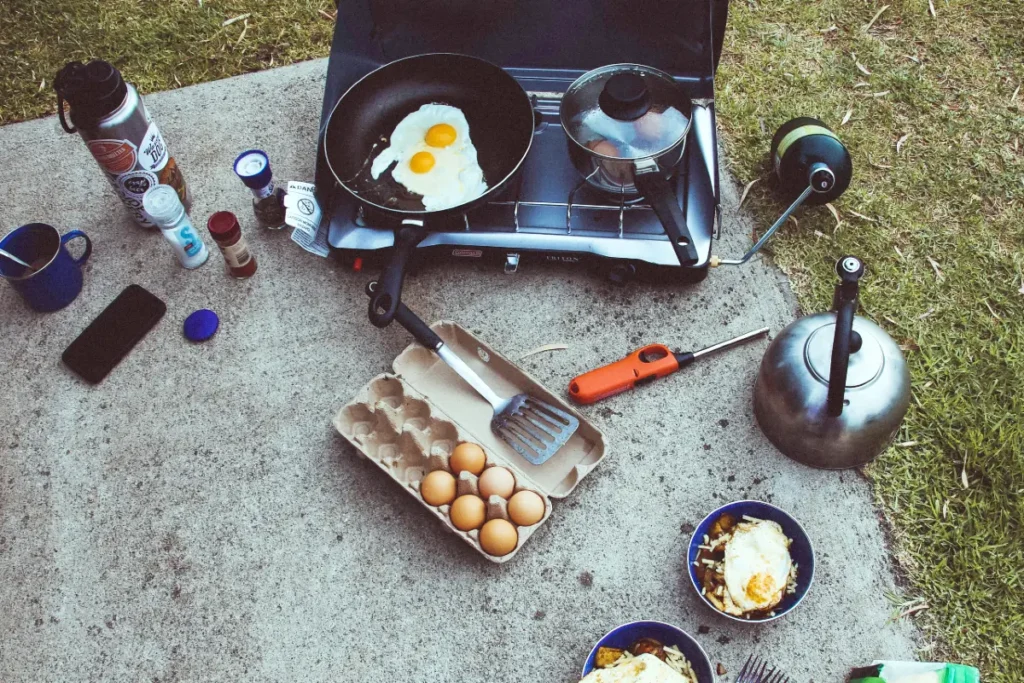
- Camp stove or grill
- Fuel for the stove
- Lighter or waterproof matches
- Pots and pans
- Cooking utensils such as a spatula, spoon, or tongs
- Cutting board and knife
Food and drink
- Cooler with ice packs
- Drinking water or water jugs
- Easy-to-prepare meals
- Snacks (bring more than you think you need)
- Coffee or tea supplies
Eating and cleanup
- Plates, bowls, and cups
- Cutlery
- Paper towels
- Dishcloth or sponge
- Dish bin or small wash tub
- Biodegradable dish soap
- Garbage and recycling bags
Comfort and convenience items (highly recommended)
These items are optional but greatly improve the camping experience, especially when camping with kids.
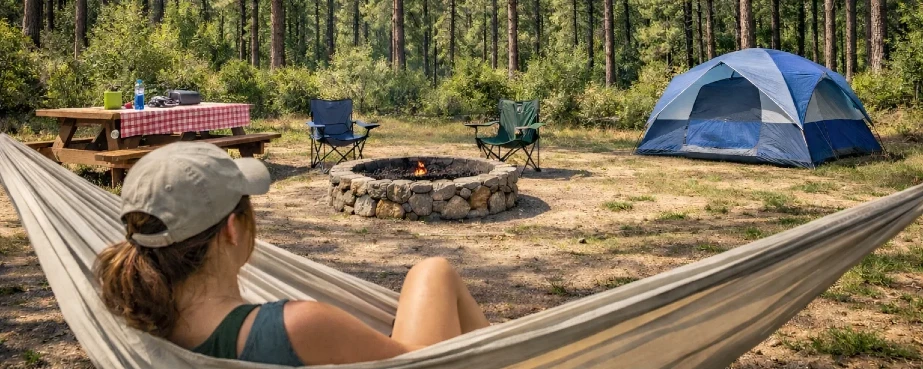
- Camp chairs
- Picnic blanket or outdoor mat
- Tablecloth (many campground picnic tables are rough or dirty)
- Tarp or shade shelter
- Hammock
- Clothesline or rope with clips
- Small broom or dustpan for tent cleanup
Weather-dependent camping gear
Pack these items based on the forecast and location.
- Extra tarps
- Additional warm blankets
- Bug spray
- Sunscreen
- Sun hats
- Umbrella
Toiletries and personal items
Even campgrounds with washrooms may not have everything you need.
- Toothbrushes and toothpaste
- Wet wipes
- Hand sanitizer
- Towels
- Shower sandals
- Toilet paper (just in case)
Camping with kids: helpful extras
These items help keep kids comfortable, entertained, and happy.
- Favorite snacks
- Refillable water bottles
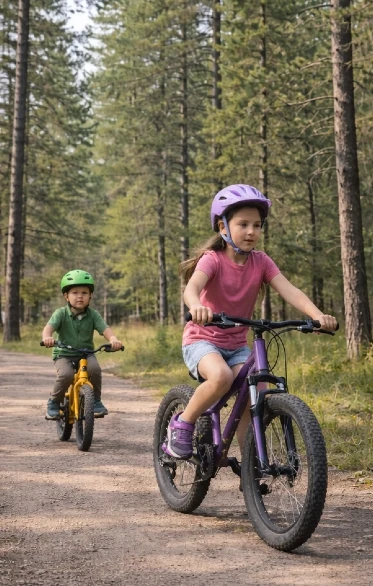
- Bikes or scooters (if allowed at the campground)
- Helmets
- Simple outdoor games or toys
- Glow sticks or LED bracelets for evenings
- Comfort items such as stuffed animals or blankets
Safety and miscellaneous items
- First aid kit
- Prescription medications
- Insect bite treatment
- Sunscreen and after-sun care
- Multi-tool or basic tool kit
- Printed campground reservation information
Final tips for beginner family camping
Remember, when camping at a car-accessible campground, you are not isolated. If you forget something, you can often buy it nearby or make do for a short trip.
Start simple. Focus on shelter, warmth, food, and safety. Each camping trip will show you what your family actually uses and what stays in the car.
With each trip, camping becomes easier, more comfortable, and more enjoyable.